


Cover Up Tattoos Explained in Under 3 Minutes: Your Greenwich Artist's Guide
Got a tattoo you're not happy with? You're not alone. Whether it's an old design that no longer represents who you are, poor quality work, or simply a piece that didn't age well, cover up tattoos offer a powerful solution. As a leading tattoo shop in Woolwich, we've helped countless clients transform their unwanted ink into stunning new artwork.
What Exactly Are Cover Up Tattoos?
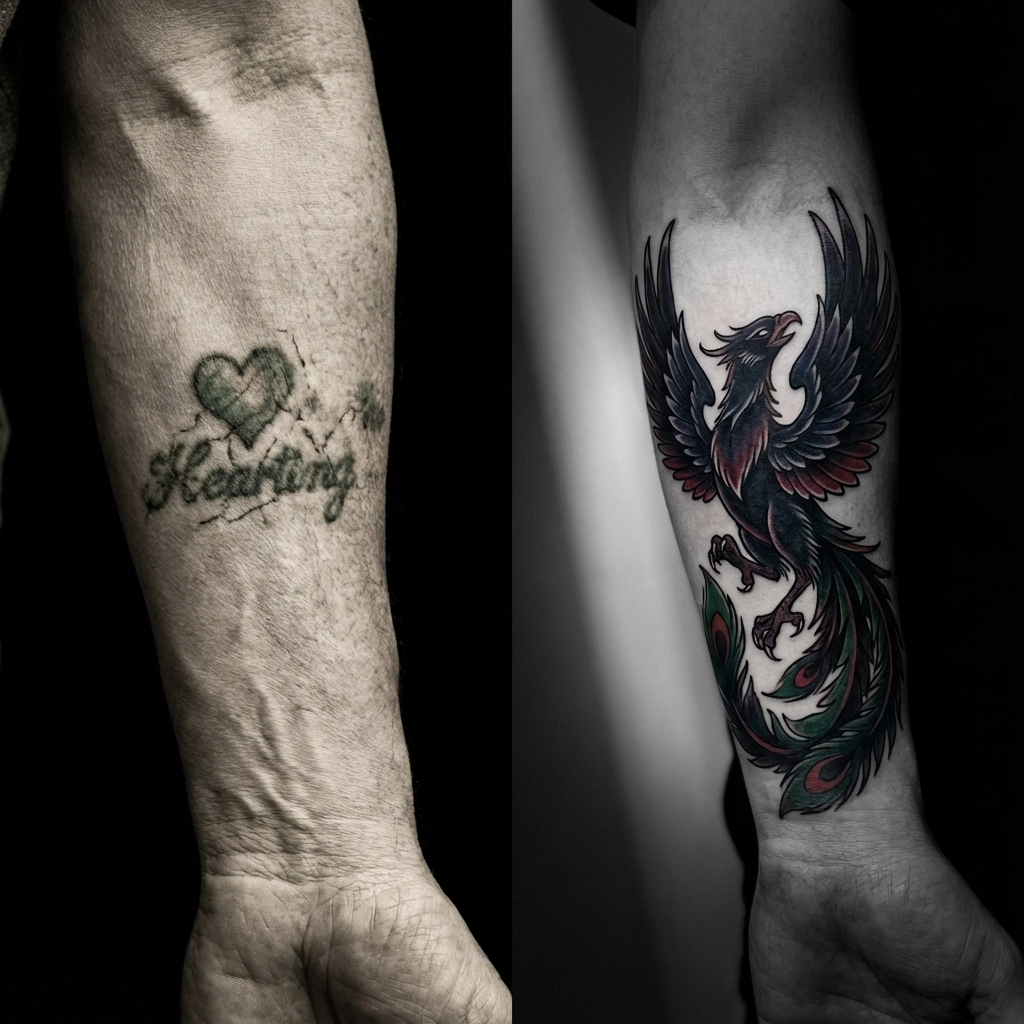
A cover up tattoo is a new design strategically inked over an existing tattoo to completely conceal the original piece. Think of it as artistic problem-solving – we're not just hiding old ink, we're creating something beautiful that tells your new story. At our tattoo shop Woolwich location, cover-ups represent some of our most rewarding work because we get to witness genuine transformation.
Cover-ups require specialized expertise that goes far beyond standard tattooing. The artist must understand color theory, skin depth, and design principles to ensure the old tattoo disappears completely while creating a cohesive new piece. This isn't about quick fixes – it's about permanent artistic solutions.
The Science Behind Cover Up Success
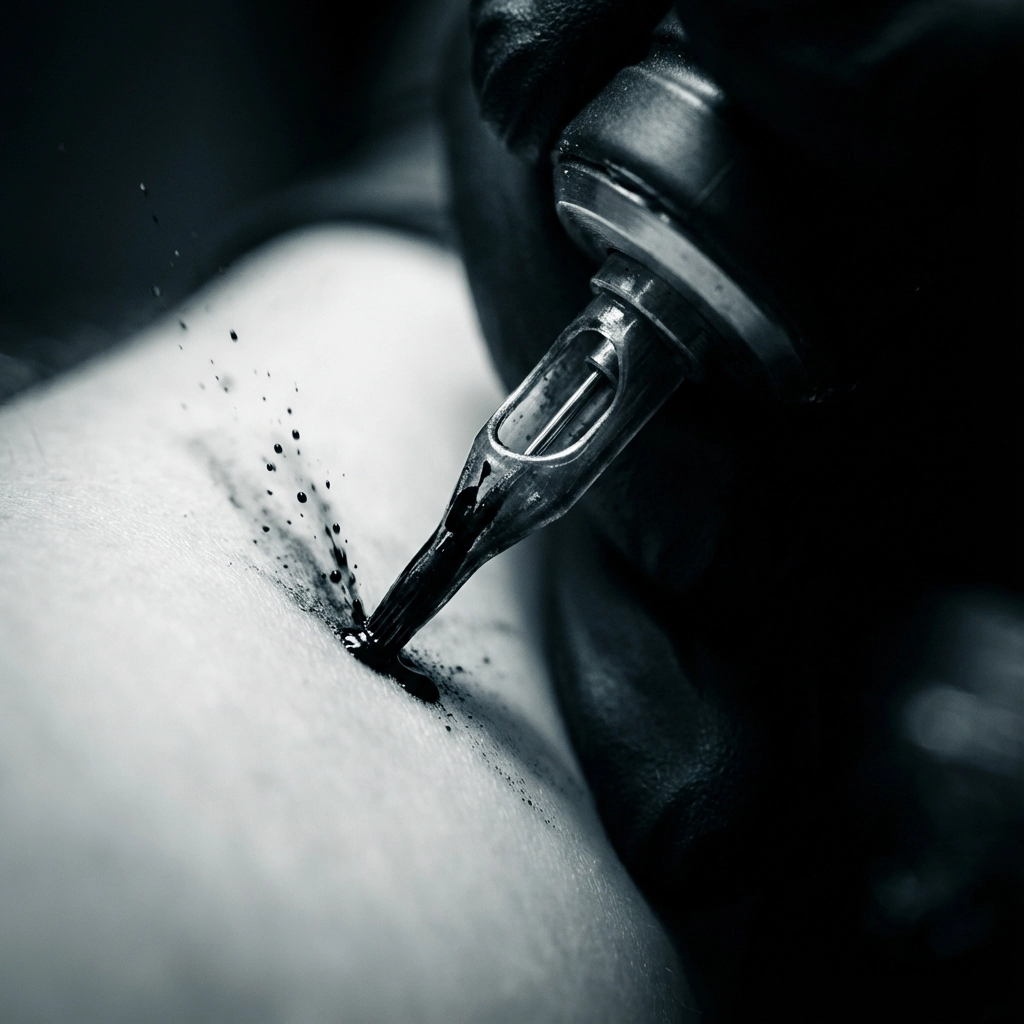
When you received your original tattoo, ink was deposited approximately one millimeter beneath your skin into the dermis layer. During a cover-up session, we re-deposit new ink in the same area, but the process requires careful consideration of what's already there.
The key lies in understanding that we're essentially painting over an existing canvas. The old tattoo doesn't disappear – instead, new pigments are layered strategically to create optical camouflage. This is why cover up tattoos at our Greenwich tattoo studio always begin with thorough consultation and design planning.
The Golden Rules of Cover Up Design
Size and Darkness Are Everything
The most fundamental principle of cover-up tattooing is simple: the new design must be larger and darker than the original. This isn't negotiable. Attempting to cover a large, dark tattoo with something smaller or lighter will result in visible bleeding through – essentially ruining both pieces.
At our tattoo shop Woolwich, we typically recommend designs that are 2-3 times larger than the original tattoo. This gives us enough canvas space to work with while ensuring complete coverage. Yes, this means your new tattoo will be more substantial, but the artistic possibilities become far more exciting.
Color Theory Makes or Breaks Your Cover Up
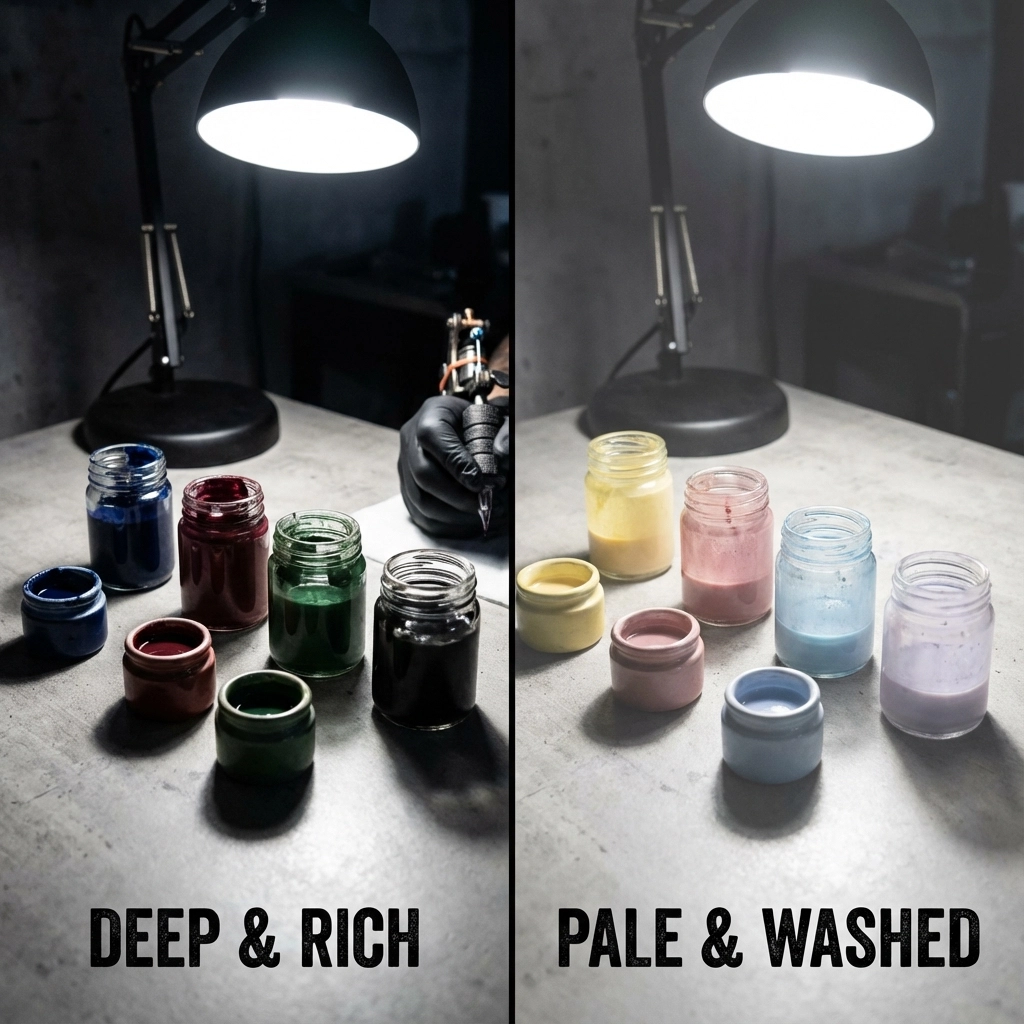
Not all colors are created equal when it comes to cover-up work. Realistic tattoos and bold designs work exceptionally well because they utilize deep, opaque pigments that effectively mask underlying ink.
Colors that excel in cover-ups include:
Deep blues and navy tones
Rich browns and earth colors
Solid blacks and dark grays
Deep purples and burgundies
Forest and hunter greens
Colors that struggle with coverage:
Yellow and bright orange
Pink and light red
Light blue and aqua
White and pale colors
Bright neon shades
This is why watercolor tattoos London artists often incorporate darker base layers in cover-up situations – those flowing colors need solid foundations to truly pop while hiding what's beneath.
Design Strategies That Actually Work
The most successful cover-up designs share certain characteristics. They feature dense areas of shading, complex details, and strategic placement of the darkest elements directly over the most challenging parts of the original tattoo.
Realistic tattoos excel in cover-up scenarios because they naturally incorporate varying tones and textures. Animal portraits, nature scenes, and detailed portraits all provide the artistic complexity needed to successfully mask old work while creating stunning new pieces.
Traditional and neo-traditional styles also perform exceptionally well. Bold outlines, solid color fills, and classic design elements create the opacity necessary for complete coverage. Japanese traditional work, with its flowing backgrounds and dramatic contrast, offers another excellent option for larger cover-ups.
Even fine line tattoos can work in cover-up situations when approached correctly. The key is incorporating them as detail work within larger, bolder designs rather than attempting standalone delicate pieces over existing ink.
The Cover Up Process: What to Expect
Your cover-up journey begins with an honest consultation. We examine your existing tattoo under proper lighting, discuss your vision for the new piece, and explain realistic expectations. This isn't about crushing dreams – it's about setting the foundation for amazing results.
Design development takes time. Unlike fresh skin tattoos where possibilities are endless, cover-ups require custom artwork that works with your skin's unique situation. We create designs that strategically place the heaviest coverage exactly where it's needed most.
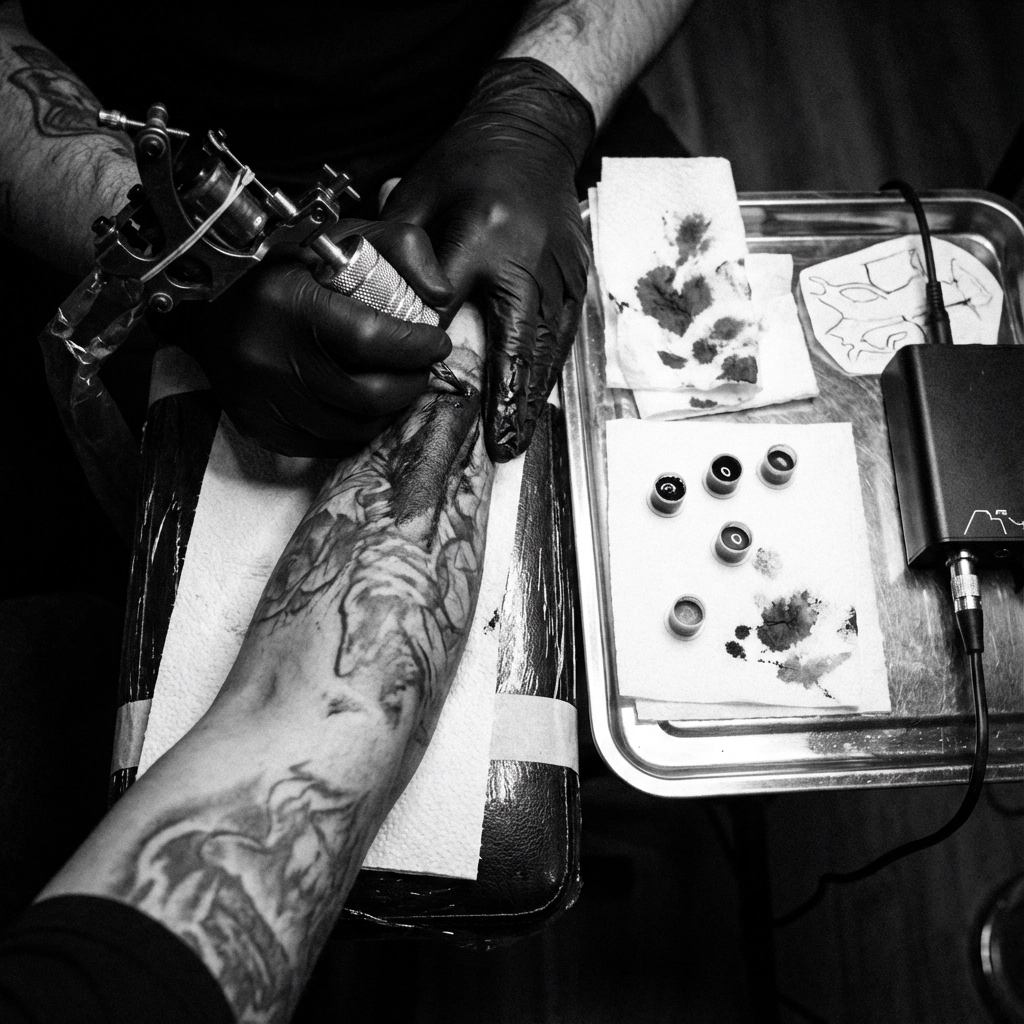
The tattooing process itself often requires multiple sessions, especially for larger pieces. Your skin needs time to heal between sessions, and building proper opacity takes patience. Most cover-ups at our tattoo shops Woolwich location require 2-3 sessions spread over several months.
Why Local Expertise Matters
Cover-up tattooing isn't something you want to trust to just anyone. The difference between success and disaster often comes down to experience and artistic vision. As an established tattoo Greenwich studio, we've built our reputation on transforming challenging pieces into artwork our clients love.
Local artists understand the community and can recommend designs that age well in our climate. We also provide ongoing support throughout the healing process and beyond. When you choose a Woolwich tattoo shop for your cover-up, you're not just getting a tattoo – you're joining a community that supports your artistic journey.
The tattoo meaning behind your cover-up often runs deeper than the original piece. These tattoos represent transformation, growth, and the courage to change what no longer serves you. That emotional significance deserves an artist who understands the weight of the moment.
Common Cover Up Mistakes to Avoid
Many people rush into cover-up decisions, leading to regret down the road. The biggest mistake is choosing an inexperienced artist based solely on price. Cover-ups require specialized skills that come with experience and training.
Another common error involves unrealistic expectations about size and style. You cannot cover a large, dark tribal piece with a small, delicate design. Physics and pigment opacity have limitations that even the most skilled artist cannot overcome.
Timing matters too. Attempting to cover a fresh tattoo before it's fully healed can cause serious complications. Most reputable tattoo shops Woolwich recommend waiting at least 6-12 months before considering cover-up work.
The Investment in Your Transformation
Cover-up tattoos typically cost more than standard pieces due to the additional design work, consultation time, and technical expertise required. However, the investment pays dividends in confidence and satisfaction. When you're happy with your tattoo, you wear it with pride rather than hiding it in shame.
At our studio, we work with clients to develop payment plans that make quality cover-up work accessible. Your transformation shouldn't wait simply because of budget constraints. We'd rather work with you over time than see you settle for subpar work elsewhere.
Ready to Transform Your Tattoo Story?
Cover-up tattoos represent second chances and new beginnings. They prove that mistakes don't have to be permanent and that skilled artistry can transform even the most challenging situations into beautiful outcomes.
If you're ready to explore cover-up options, we invite you to schedule a consultation at our tattoo shop Woolwich. Together, we'll examine your existing tattoo, discuss your vision, and create a custom design that exceeds your expectations.
Your skin tells your story. Let's make sure it's a story you're proud to share. Visit our studio or reach out today to begin your transformation journey. Every cover-up begins with a single conversation – and that conversation starts now.
Comments