


2026 Tattoo Trends in London: What's Hot This Year at Cristian Art Stefan
The tattoo landscape in London transforms with each passing year, bringing fresh perspectives, innovative techniques, and boundary-pushing artistry to the forefront. At Cristian Art Stefan tattoo studio in SE2, we witness these evolving trends firsthand: from the subtle shift toward hyperrealistic portraiture to the bold emergence of holographic color palettes that seem to shimmer beneath the skin.
This year marks a defining moment in tattoo artistry. The convergence of traditional craftsmanship, cutting-edge technology, and deeply personal storytelling creates opportunities for self-expression that transcend previous limitations. Artists across London embrace techniques that blur the lines between fine art, digital design, and permanent body modification.
Microrealism Takes Center Stage
The pursuit of impossibly detailed imagery has reached new heights in 2026. Microrealism represents more than technical skill: it embodies the artist's ability to compress entire worlds into spaces no larger than a coin. These miniature masterpieces demand precision, patience, and an understanding of how skin accepts and ages with intricate linework.
London's tattoo artists push the boundaries of what seemed possible just years ago. Single-needle techniques allow for photographic detail in portraits, landscapes, and architectural elements. The trend particularly resonates with clients seeking meaningful representations of loved ones, cherished memories, or iconic London landmarks rendered with breathtaking accuracy.
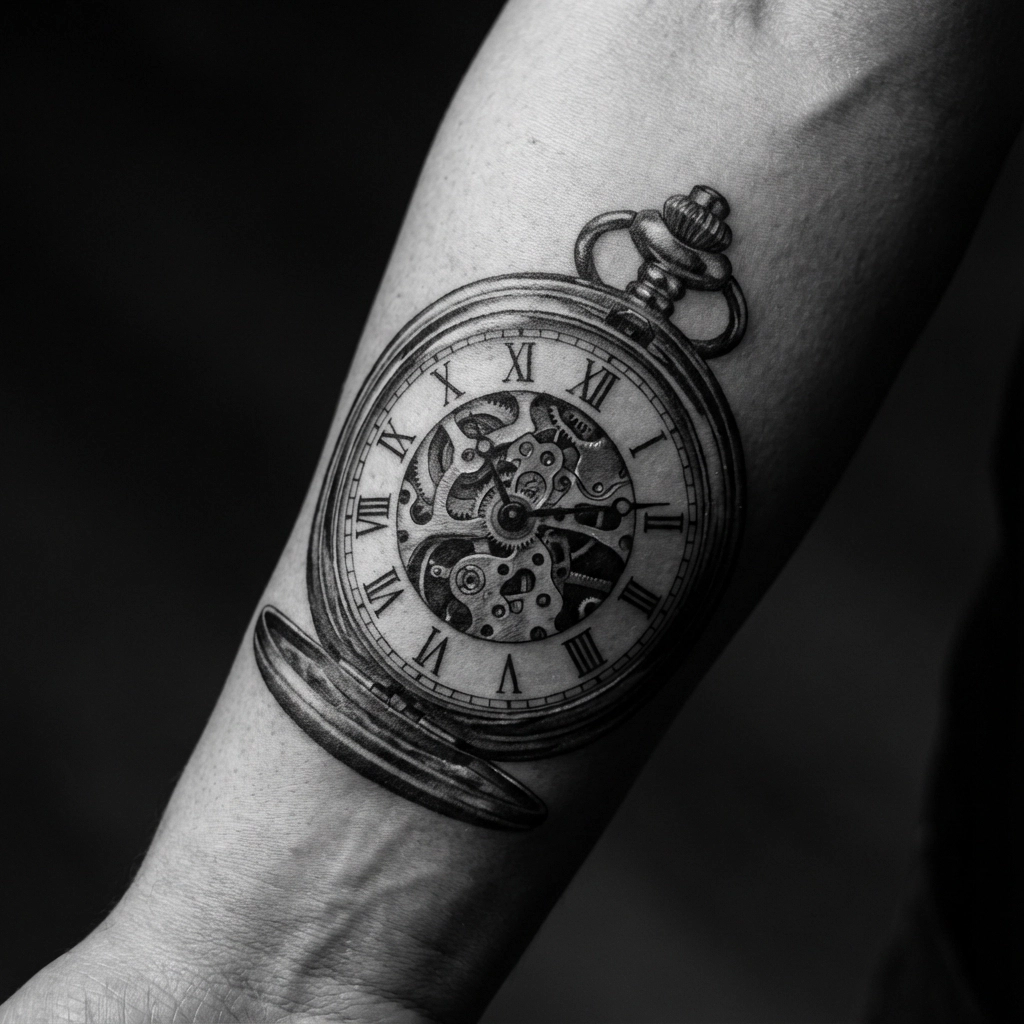
At our SE2 studio, we observe clients gravitating toward microrealistic interpretations of personal photographs, vintage film stills, and historical imagery. The technical demands of this style require specialized equipment, extended session times, and artists who understand the delicate balance between detail and longevity.
Bioluminescent Color Palettes
Color theory in tattooing undergoes revolutionary changes as artists experiment with pigments that appear to glow from within the skin. These bioluminescent effects: achieved through careful layering of specific color combinations: create tattoos that seem alive, shifting in different lighting conditions.
The technique draws inspiration from nature's most luminous creatures: deep-sea jellyfish, nocturnal fungi, and phosphorescent marine organisms. Artists blend blues, greens, and purples in ways that suggest internal illumination, creating pieces that appear to pulse with their own energy source.
This trend particularly appeals to London's tech-forward community, where the intersection of biology and technology influences artistic expression. The colors work especially well in abstract compositions, geometric patterns, and nature-inspired designs that celebrate the mysterious beauty of bioluminescence.
Architectural Blackwork Renaissance
London's rich architectural heritage influences a renewed interest in bold, geometric blackwork that pays homage to the city's structural landmarks. These designs incorporate elements from Victorian ironwork, modern glass towers, and historic stone facades into cohesive artistic statements.
The style emphasizes negative space, creating depth through contrast rather than shading. Artists use varying line weights to suggest dimensionality, architectural perspective, and the play of light across building surfaces. The result speaks to London's urban sophistication while honoring timeless design principles.
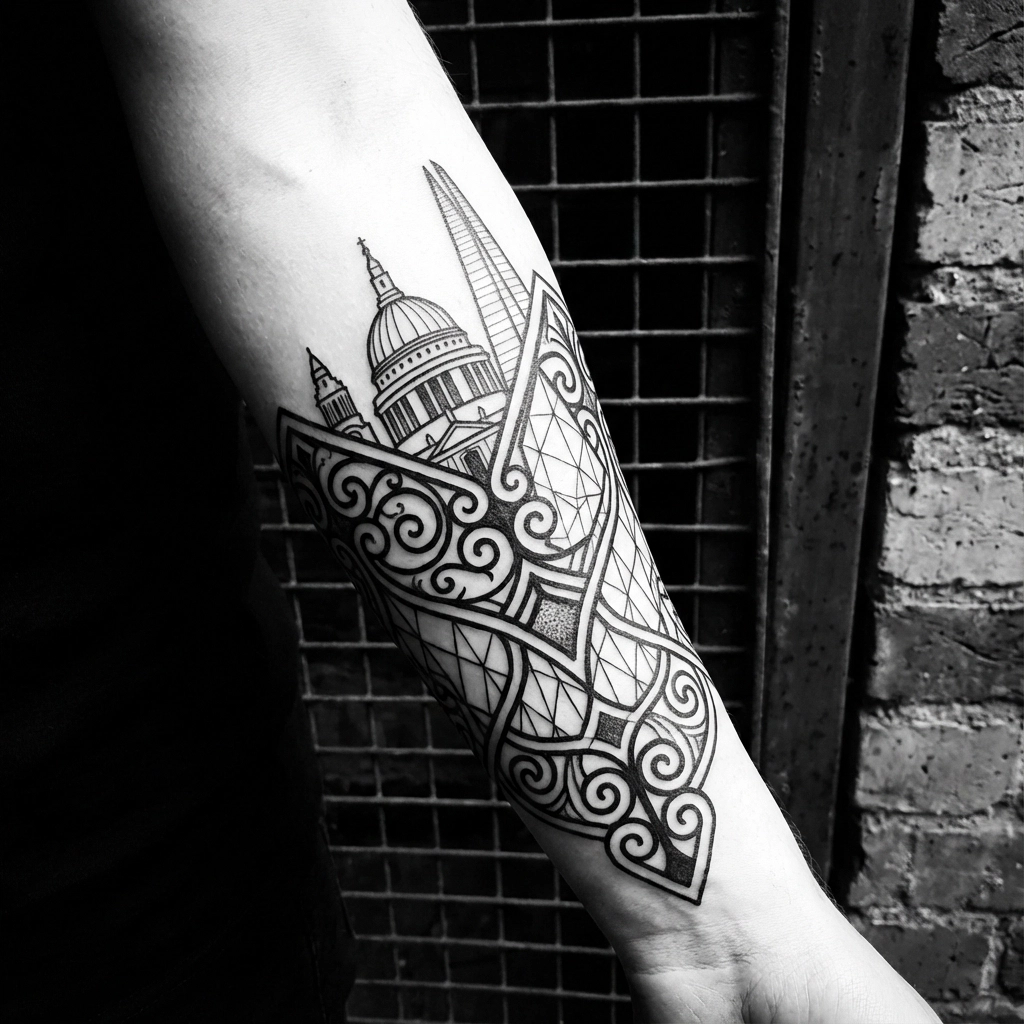
Clients choose architectural blackwork for its timeless appeal and connection to place. These tattoos age gracefully, maintaining their impact as bold graphic statements that complement the body's natural contours. The trend resonates particularly with professionals who appreciate subtle yet striking body art that reflects their urban environment.
Watercolor Evolution: Structured Fluidity
Traditional watercolor tattoos evolve beyond their original free-form expressions into more structured compositions that balance spontaneity with intentional design. This refined approach addresses previous concerns about longevity while maintaining the dreamy, painted quality that makes watercolor techniques so appealing.
Artists now incorporate defined outlines, strategic color placement, and deliberate negative space to create watercolor effects that maintain their vibrancy over time. The technique works particularly well for floral compositions, abstract art, and memorial pieces where emotional resonance takes precedence over literal representation.
The London tattoo scene embraces this evolution as artists develop signature approaches to watercolor application. Some focus on single-color washes with dramatic contrast, while others layer multiple hues to create complex color stories that unfold across larger canvas areas.
Minimalist Statement Pieces
The pursuit of maximum impact through minimal elements defines another significant trend shaping London's tattoo landscape. These designs rely on perfect placement, exceptional line quality, and understanding of how simple elements interact with body mechanics to create powerful visual statements.
Single-line drawings, perfectly balanced geometric shapes, and carefully chosen typography represent this approach to permanent art. The challenge lies not in complexity but in achieving perfection within constraint: every line must serve its purpose, every placement must feel inevitable.
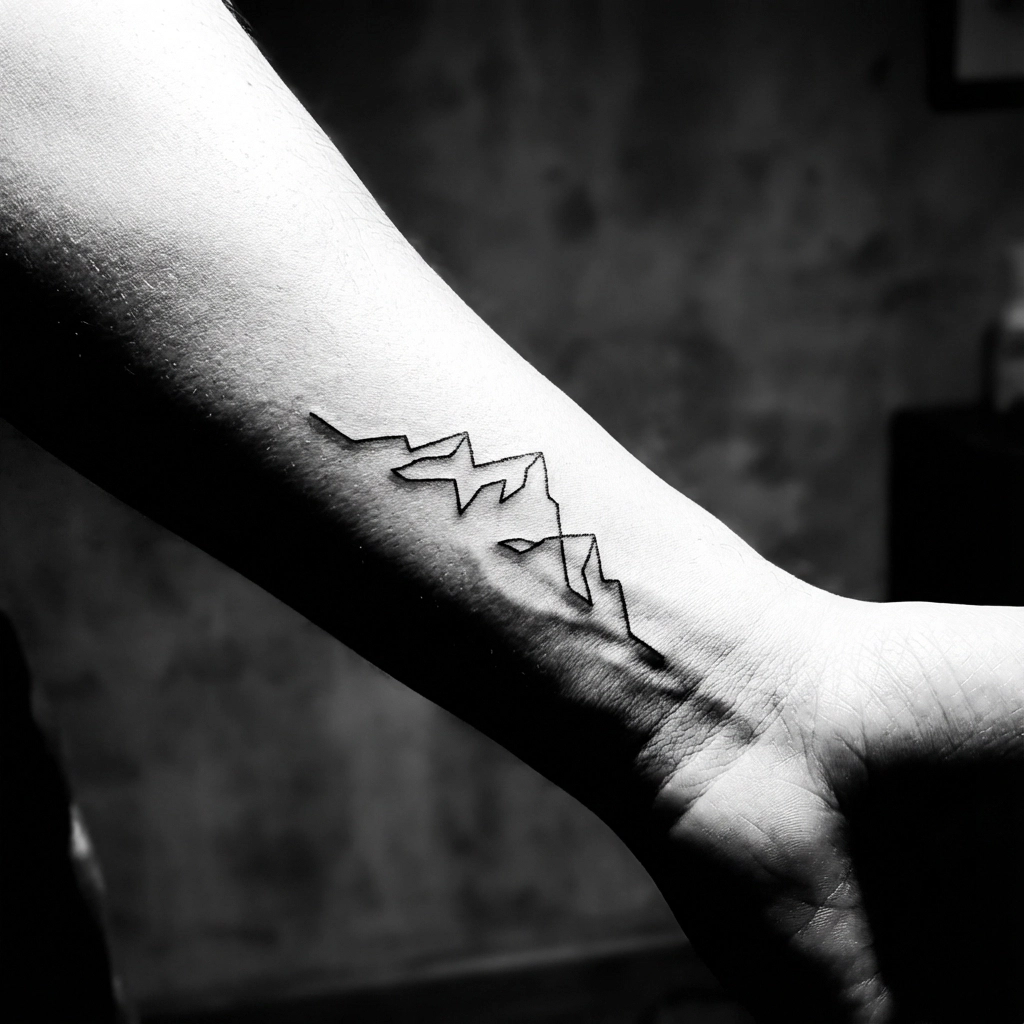
Clients drawn to minimalist aesthetics often seek their first tattoos or additions to existing collections that won't compete for attention. The style appeals to professionals requiring discretion while maintaining personal expression through permanent art.
Cultural Fusion and Global Inspiration
London's multicultural identity influences tattoo trends that blend artistic traditions from different corners of the world. Artists incorporate elements from Japanese traditional work, Polynesian geometric patterns, Indian henna designs, and African tribal aesthetics into cohesive compositions that honor diverse cultural heritage.
This fusion requires sensitivity, research, and understanding of symbolic meanings across different traditions. Responsible artists educate themselves about cultural significance while creating original interpretations that celebrate diversity without appropriating sacred imagery.
The trend reflects London's position as a global cultural hub where artistic exchange flourishes. Clients seek tattoos that reflect their personal heritage, travel experiences, or appreciation for artistic traditions that speak to their aesthetic sensibilities.
Technology-Integrated Design Concepts
Digital design tools revolutionize how artists conceptualize and execute complex tattoo projects. Advanced software allows for precise previewing, color matching, and scale adjustments that ensure optimal results before the first needle touches skin.
Some artists experiment with augmented reality elements that activate when viewed through specific apps, creating layered experiences that extend beyond the physical tattoo. While still in experimental phases, these innovations point toward future possibilities where permanent art interacts with digital environments.
The integration of technology doesn't diminish traditional artistic skills but enhances them, providing tools for more accurate translation of complex visions into permanent art. Clients benefit from better visualization of finished results and more precise execution of intricate designs.
Therapeutic and Wellness-Focused Tattooing
An emerging understanding of tattoos as healing tools influences both design choices and studio environments. Artists recognize their role in helping clients process trauma, celebrate recovery, or mark significant life transitions through permanent art.
Designs incorporating meditation symbols, breath work patterns, or nature-inspired imagery support wellness journeys while providing beautiful artistic expression. The trend emphasizes tattoos as positive interventions in mental health and personal development rather than mere decoration.
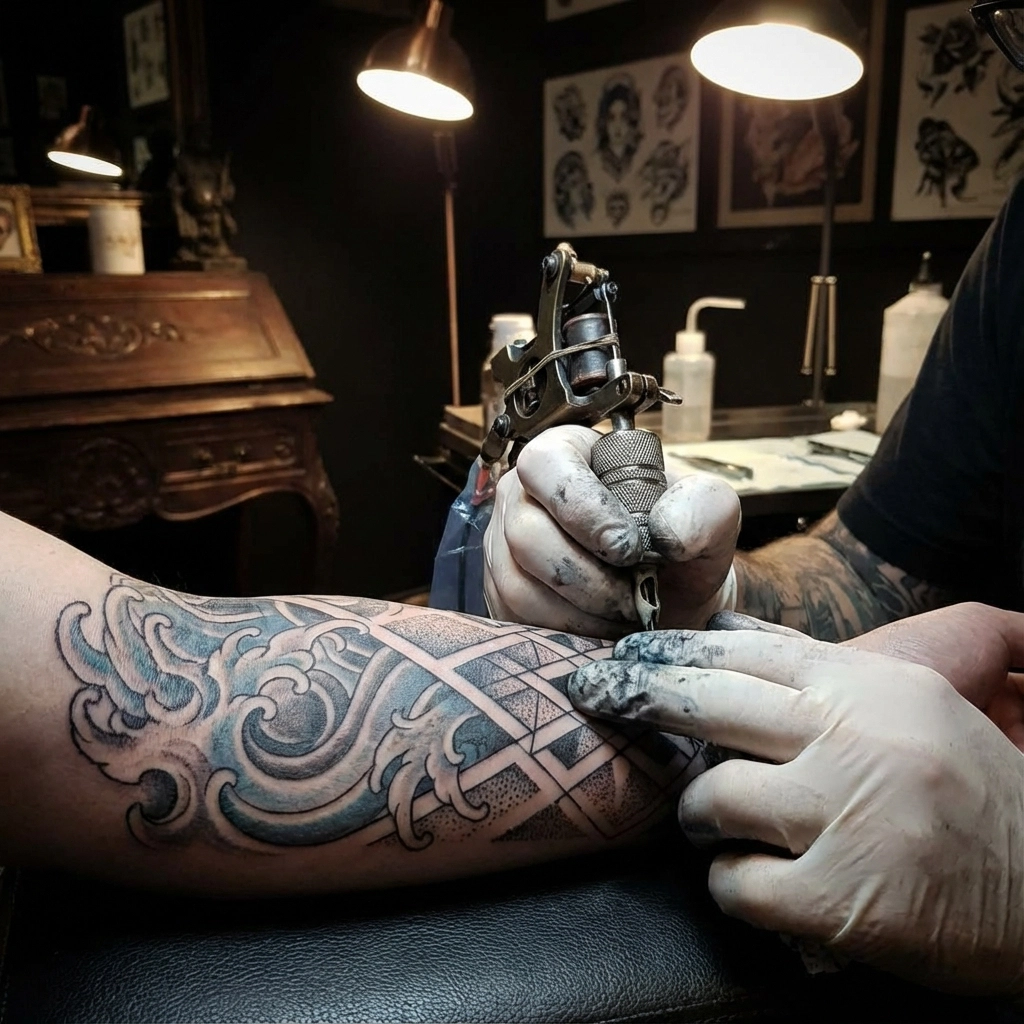
Studios adapt their environments to support these therapeutic aspects, creating spaces that feel more like wellness centers than traditional tattoo shops. The approach attracts clients seeking meaningful art that supports their ongoing personal growth and healing processes.
The Future of London Tattooing
These trends represent more than temporary fashion: they signal evolving relationships between art, technology, and personal expression that will influence tattooing for years to come. London's position as a creative capital ensures continued innovation as artists, clients, and cultural influences converge to push artistic boundaries.
At Cristian Art Stefan tattoo studio, we embrace these developments while maintaining commitment to traditional craftsmanship that ensures lasting quality. Our SE2 location serves as a laboratory where emerging techniques meet proven artistic principles, creating opportunities for clients to explore cutting-edge trends through experienced hands.
The conversation between tradition and innovation continues to shape London's tattoo landscape, promising exciting developments as artists refine these emerging approaches and discover new possibilities for permanent artistic expression.
Comments